Hidden Mental Health Crisis in Bangladesh
Women and girls' gender-based violence, domestic abuse, child marriage, and the daily psychological weight of systemic inequality place Bangladeshi women and girls at disproportionate risk of depression, anxiety, and trauma...
The vast majority suffer without diagnosis, without support, and without anyone ever telling them that what they are experiencing has a name and can be treated.
Children and Adolescents
Children who witness violence, lose parents, live in extreme poverty, or survive displacement carry wounds that, untreated, shape every year of the lives ahead of them.
UNICEF estimates that 1 in 7 adolescents globally experiences a mental health disorder. In Bangladesh, where children face compounding adversity with limited psychosocial support, that burden falls heaviest on those with the least.
Poverty and Mental Health
The relationship between extreme poverty and mental illness is among the most well-evidenced in global health research.
Millions of Bangladeshis live under conditions of food insecurity, debt, displacement, and domestic violence, which drive mental health challenges far above average.
A Survivor's Experience
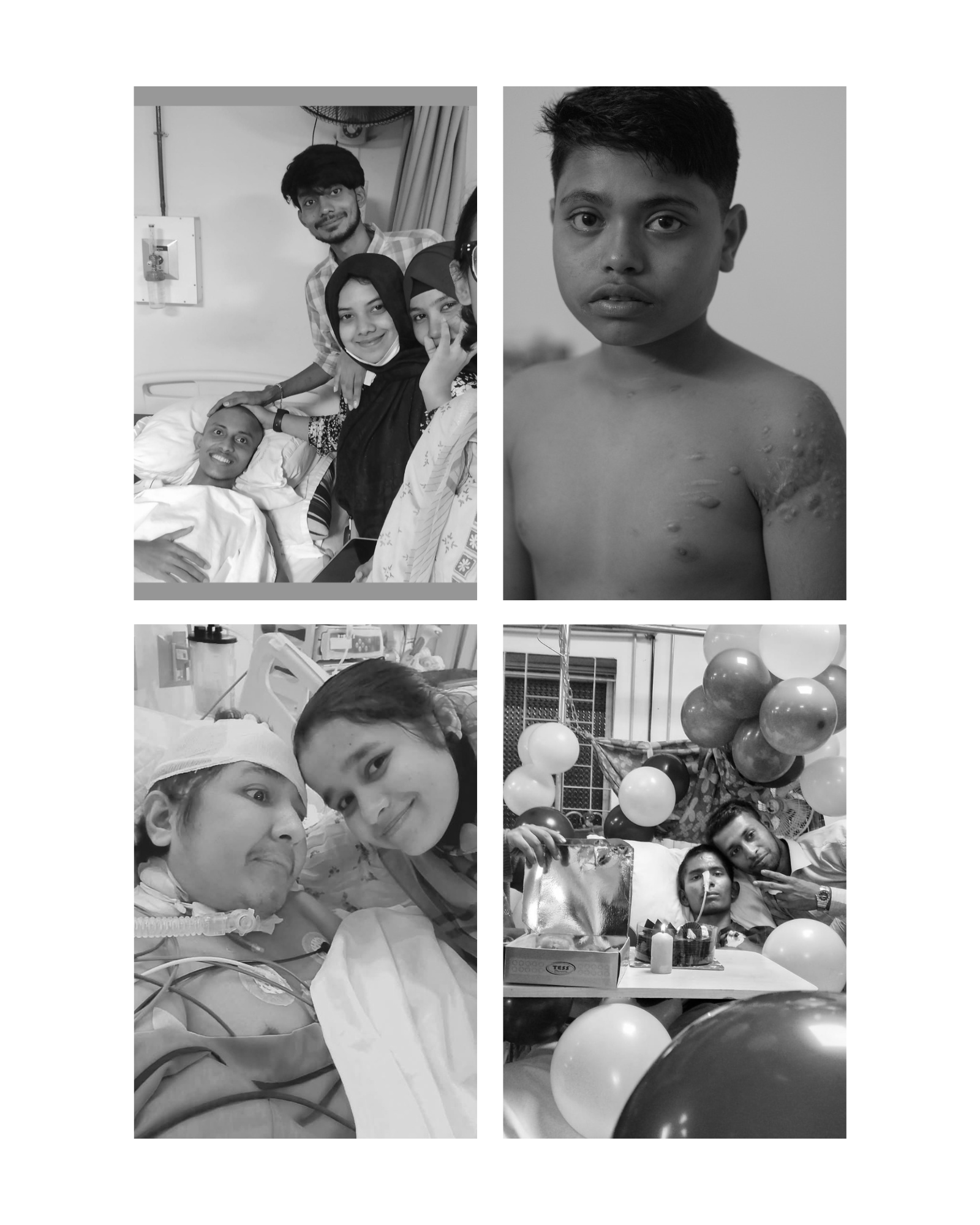
The following account is based on the real experiences of survivors supported by DIHAN Foundation following July 2024.
He was 23 years old. A university student. Someone who, by every measure, had his whole life ahead of him.
He survived July 2024 with no physical injuries. No bullet wounds. No broken bones. Nothing the doctors could document.
But he had watched his closest friend die on the street beside him. He had held him. He had been unable to do anything.
For six months after July 2024, he did not leave his room. He stopped attending university. He stopped answering his phone.
When a DIHAN Foundation community outreach volunteer visited his neighbourhood and sat with his family, his mother wept. Because it was the first time in six months that anyone had come to ask.
He is now receiving structured psychosocial support through DIHAN Foundation. He has started leaving his room. He has started speaking about what he saw.
He has a long way to go. But he has somewhere to go now.
What DIHAN Foundation Does
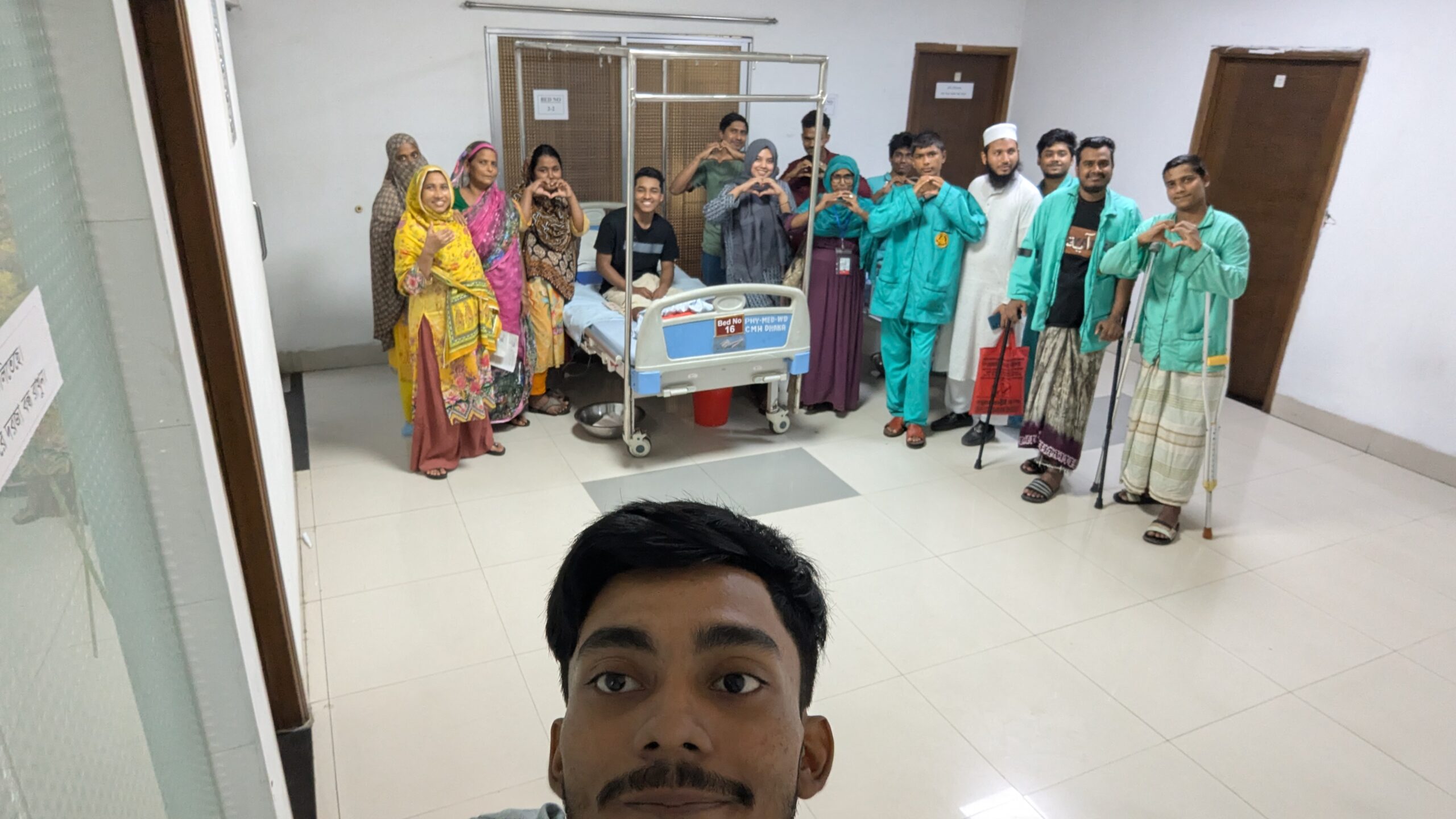
DIHAN Foundation delivers structured psychosocial first aid and ongoing emotional support for survivors and families affected by the July 2024 crisis, following WHO and IASC MHPSS guidelines. We work directly in communities, homes, and crisis-affected areas because trauma does not come to clinics — we go to it.
We train and deploy community mental health volunteers across underserved districts, build safe spaces for women and girls facing violence or trauma, and provide child and adolescent psychosocial support integrated with education and protection programmes. Mental health is not optional care — it is essential care for rebuilding lives.
Current & Expanding Programmes
Psychosocial First Aid for July 2024 survivors and families, delivered in communities following WHO guidelines.
Community mental health outreach through trained volunteers, stigma reduction programmes, bereavement support for grieving families, and integration of mental health into primary healthcare systems across underserved districts.
Future Vision & Impact
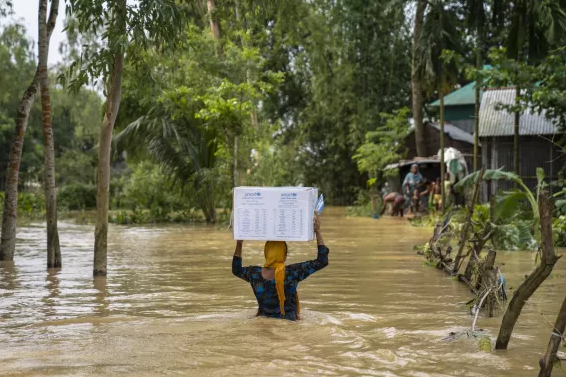
Suicide prevention systems, climate disaster mental health response, and national policy advocacy for mental health reform.
Bangladesh has over 16M people with untreated mental health conditions (WHO). Less than 1% receive care. DIHAN Foundation is building national systems aligned with WHO, UN SDG 3.4, IASC and UNICEF standards to close this gap and restore dignity.
A Survivor's Experience
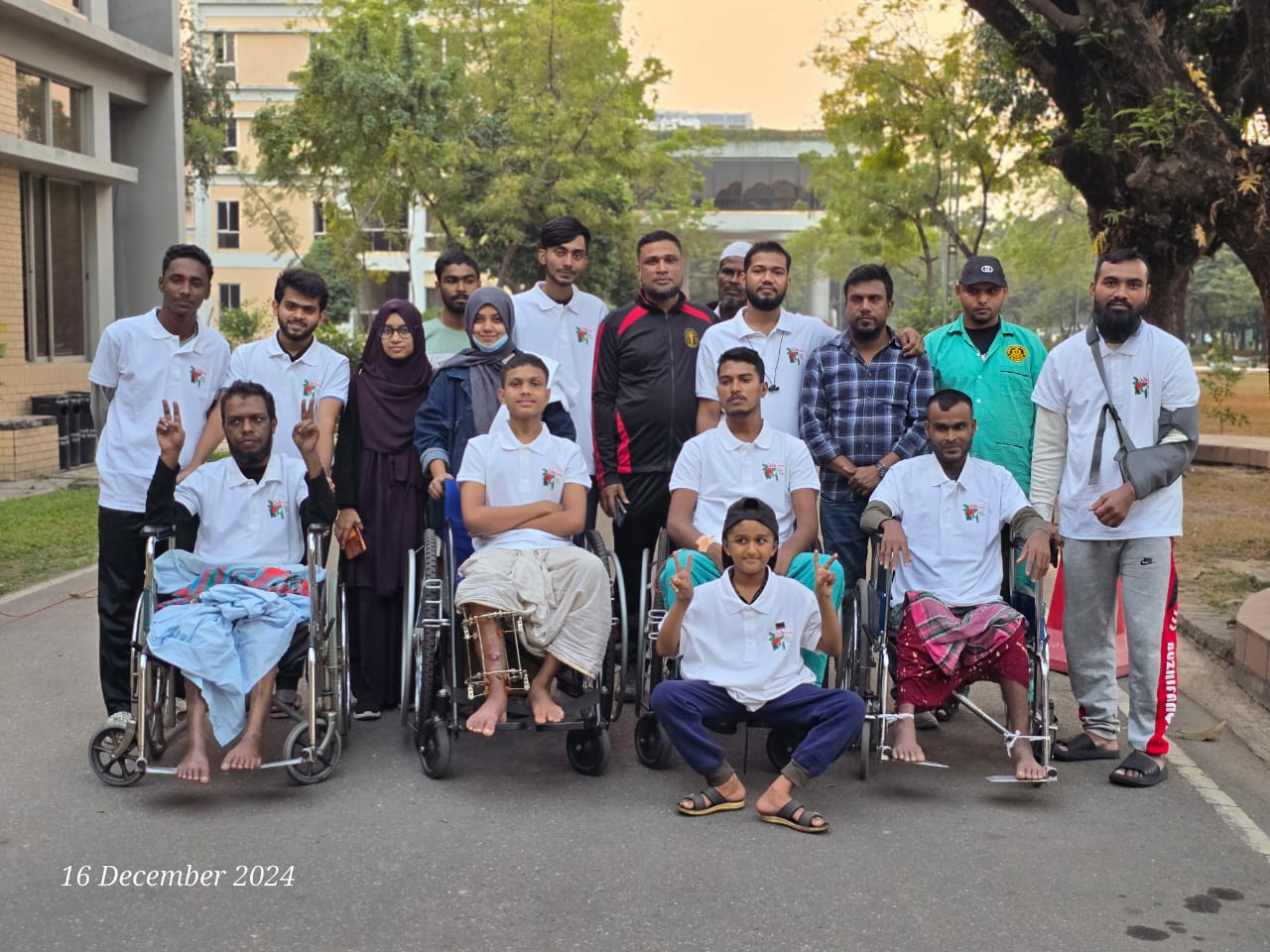
The following account is based on the real experiences of survivors who received support from the Founder of DIHAN Foundation in the aftermath of the July 2024 events.
He was 23 years old. A university student. Someone who, by every measure, had his whole life ahead of him.
He survived July 2024 with no physical injuries. No bullet wounds. No broken bones. Nothing the doctors could document.
But he had watched his closest friend die on the street beside him. He had held him. He had been unable to do anything.
For six months after July 2024, he did not leave his room. He stopped attending university and stopped answering his phone.
His mother told neighbours he was unwell, but she used the word for a physical illness because there was no other word she felt she was allowed to use.
When a DIHAN Foundation community outreach volunteer visited his neighbourhood and sat with his family, his mother wept.
Not because her son was getting worse. Because it was the first time in six months that anyone had come to ask.
He is now receiving structured psychosocial support through DIHAN Foundation. He has started leaving his room. He has started speaking about what he saw.
He has a long way to go. But he has somewhere to go now.