Tohingya Refugee Camp
Empowering Future Leaders Through Knowledge & Action
DIHAN Foundation's UK Representative, Advocate Md. Shams Mahmud has followed the Rohingya crisis as a legal and human rights professional since the catastrophic mass displacement of August 2017, when over 600,000 people fled Myanmar's Rakhine State in a single three-month period in what the United Nations described as a textbook example of ethnic cleansing. As a Bangladeshi lawyer with a deep commitment to international human rights law and currently serving as an intern at UNCITRAL's International Trade Law Division in Vienna, Shams has engaged with the Rohingya crisis not only as a humanitarian emergency but as one of the most serious ongoing violations of international human rights and refugee law in the world today. For DIHAN Foundation, the Rohingya response is not a new programme opportunity. It is the natural extension of a commitment to the most vulnerable people in Bangladesh that has defined our work from the very beginning. The Rohingya people are in Bangladesh. They are among the most vulnerable people on earth. And DIHAN Foundation is a Bangladeshi humanitarian organisation built to reach exactly the people the world has left most exposed. This is where we belong.
Our mission is to create sustainable social impact worldwide.
Empowering Communities Through Compassion
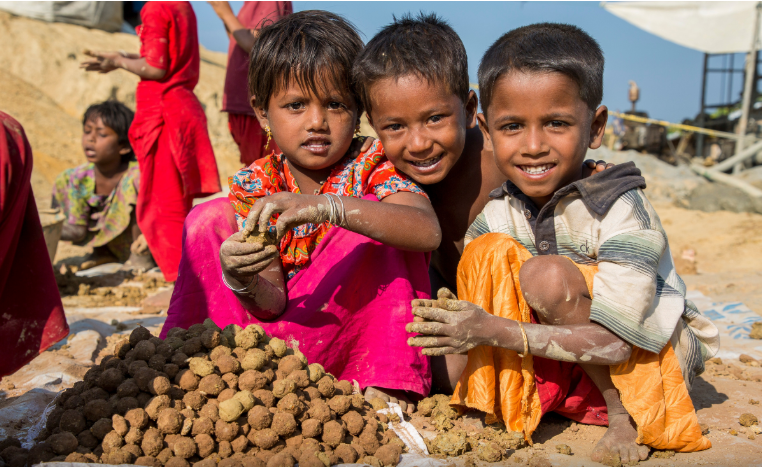
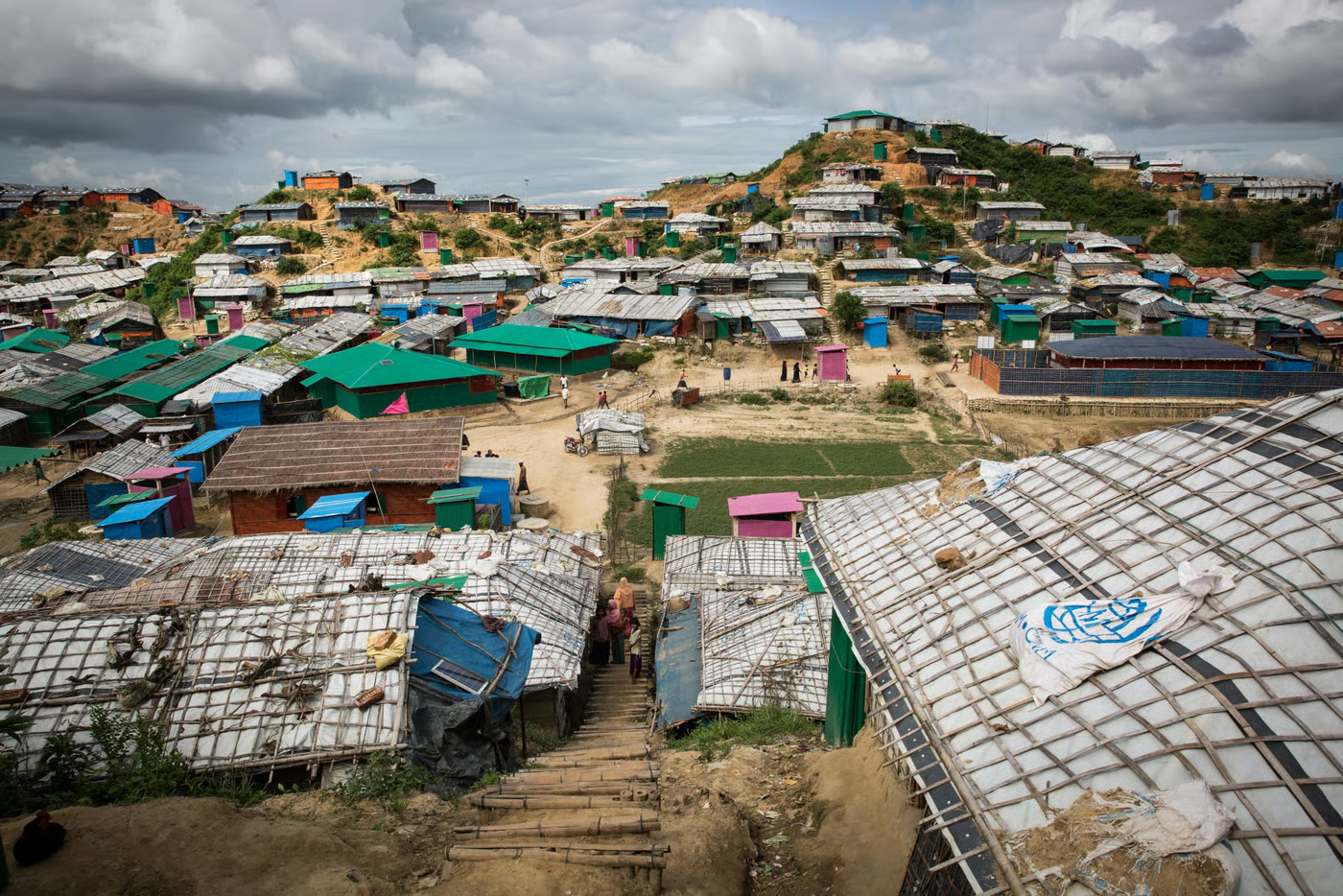
The Rohingya humanitarian crisis extends far beyond displacement alone. Women, children, and vulnerable families continue to face significant protection challenges, while host communities struggle under growing social and economic pressures. Despite the efforts of humanitarian organizations, critical needs remain unmet due to persistent funding shortages and the scale of the crisis.
Women and Girls: Danger Inside the Crisis
Gender-based violence remains one of the most serious and underreported concerns within the camps. Women and girls face heightened risks of domestic abuse, trafficking, sexual violence, and child marriage in overcrowded and under-resourced settlements. According to UN Women, Rohingya women and girls experience some of the highest levels of gender-based violence among refugee populations in Asia.
Clean Water and Sanitation: A Daily Challenge
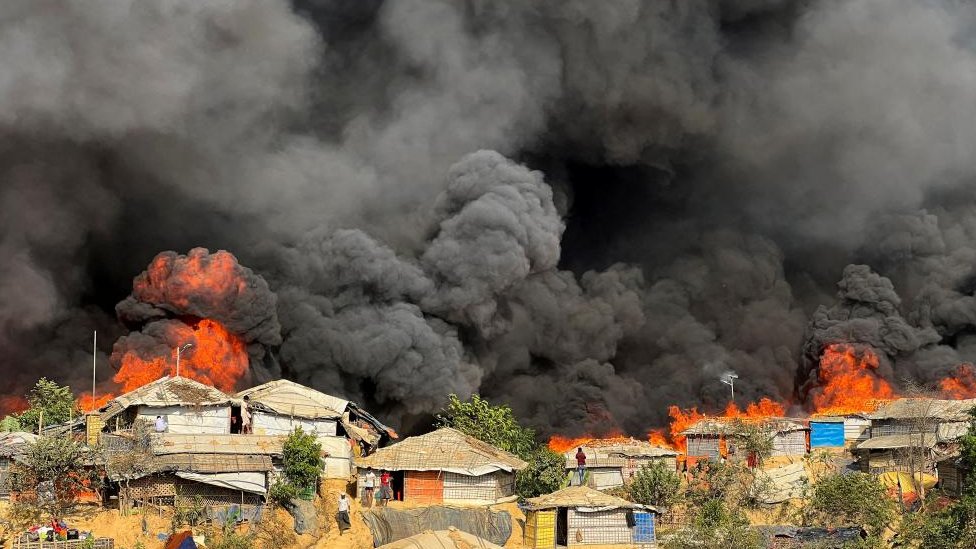
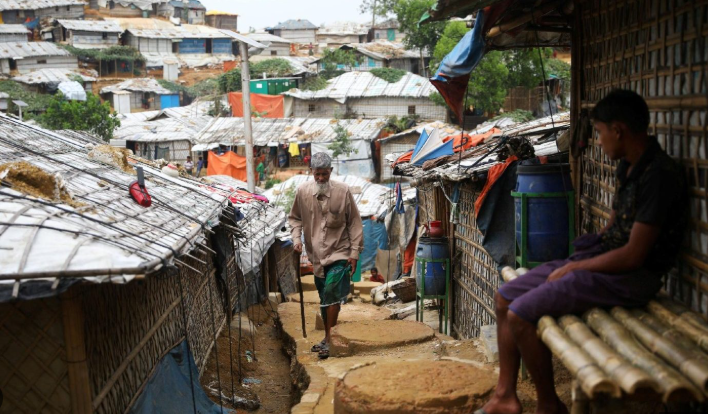
Access to safe water and adequate sanitation continues to be a daily struggle. Seasonal flooding frequently contaminates water sources, while sanitation facilities remain insufficient for the growing population. As a result, waterborne diseases pose an ongoing public health threat throughout the camps.
Host Communities: The Forgotten Affected
The impact of the refugee crisis extends beyond the camps. Local communities in Cox’s Bazar face increasing pressure on land, water resources, forests, and employment opportunities. Sustainable humanitarian solutions must therefore support both refugee populations and the host communities that continue to share their resources.
A Chronically Underfunded Response
Despite the dedication of UN agencies, humanitarian partners, and NGOs, the response remains critically underfunded. Funding shortfalls have forced reductions in essential services, food assistance, and protection programmes, leaving millions vulnerable. Bridging this gap remains essential to preserving dignity, safety, and hope for affected populations.
Rohingya Refugee Response
Supporting Rohingya refugees and host communities across Cox's Bazar through healthcare, education, protection, mental health, and humanitarian action.
Explore Our WorkOne Million Lives Waiting for a Future
More than one million Rohingya refugees continue to live in camps across Cox's Bazar with limited access to education, livelihoods, healthcare, and legal protection.
1M+
Rohingya refugees in Cox's Bazar
50%+
Children in refugee camps
7 Years
Living in camps without a pathway home
<50%
2024 response plan funded
The Challenges We Address
Children
More than half of all refugees are children growing up without stable education or opportunities.
Health
Overcrowding, malnutrition, poor sanitation, and climate emergencies create ongoing health risks.
Mental Health
Trauma, displacement, and uncertainty continue to affect entire families across the camps.
Women & Girls
Women and girls face heightened risks of violence, trafficking, and child marriage.
Water & Sanitation
Flooding and inadequate infrastructure increase the risk of waterborne disease.
Host Communities
Local communities continue to shoulder the pressure of one of the world's largest refugee crises.
She Asks Only for a Better Future for Her Children
She arrived in Bangladesh in 2017 with her three children after losing her husband. Seven years later, she remains in the camp without stable income or certainty about tomorrow.